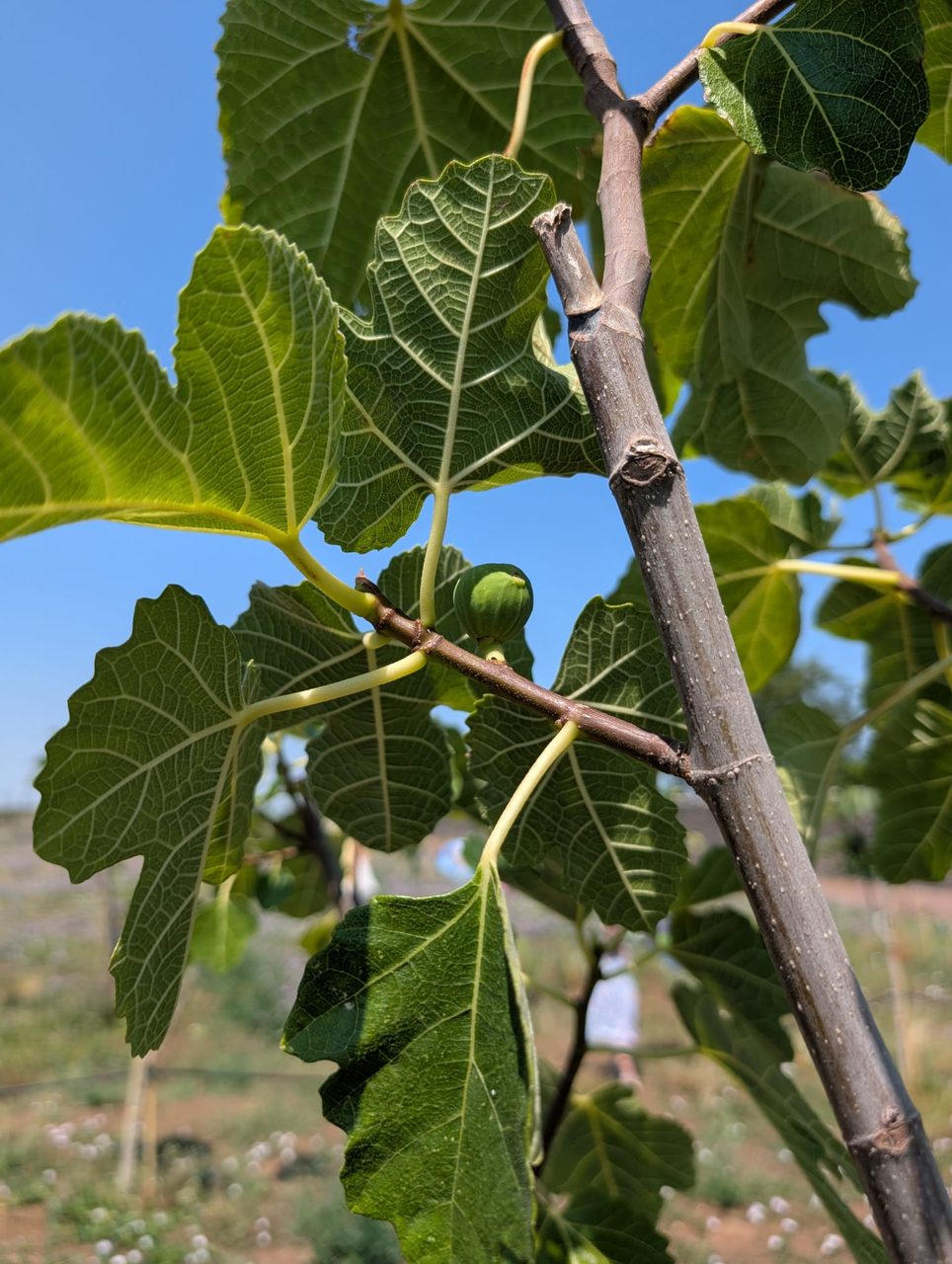
Ancient fruit
Ficus carica L. · Family: Moraceae

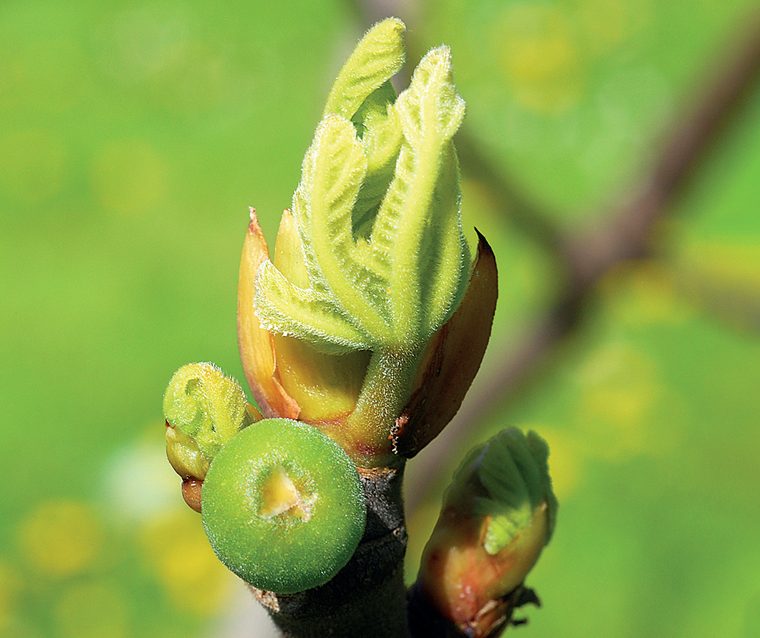
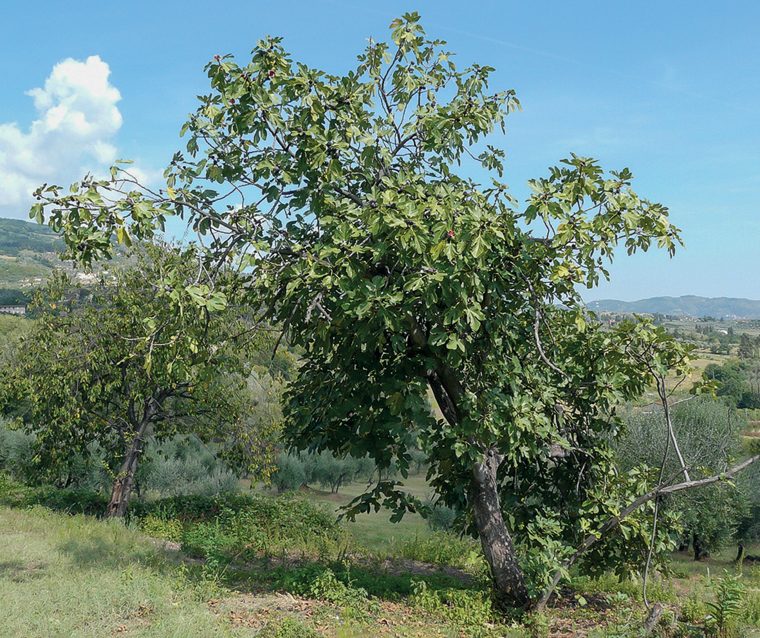
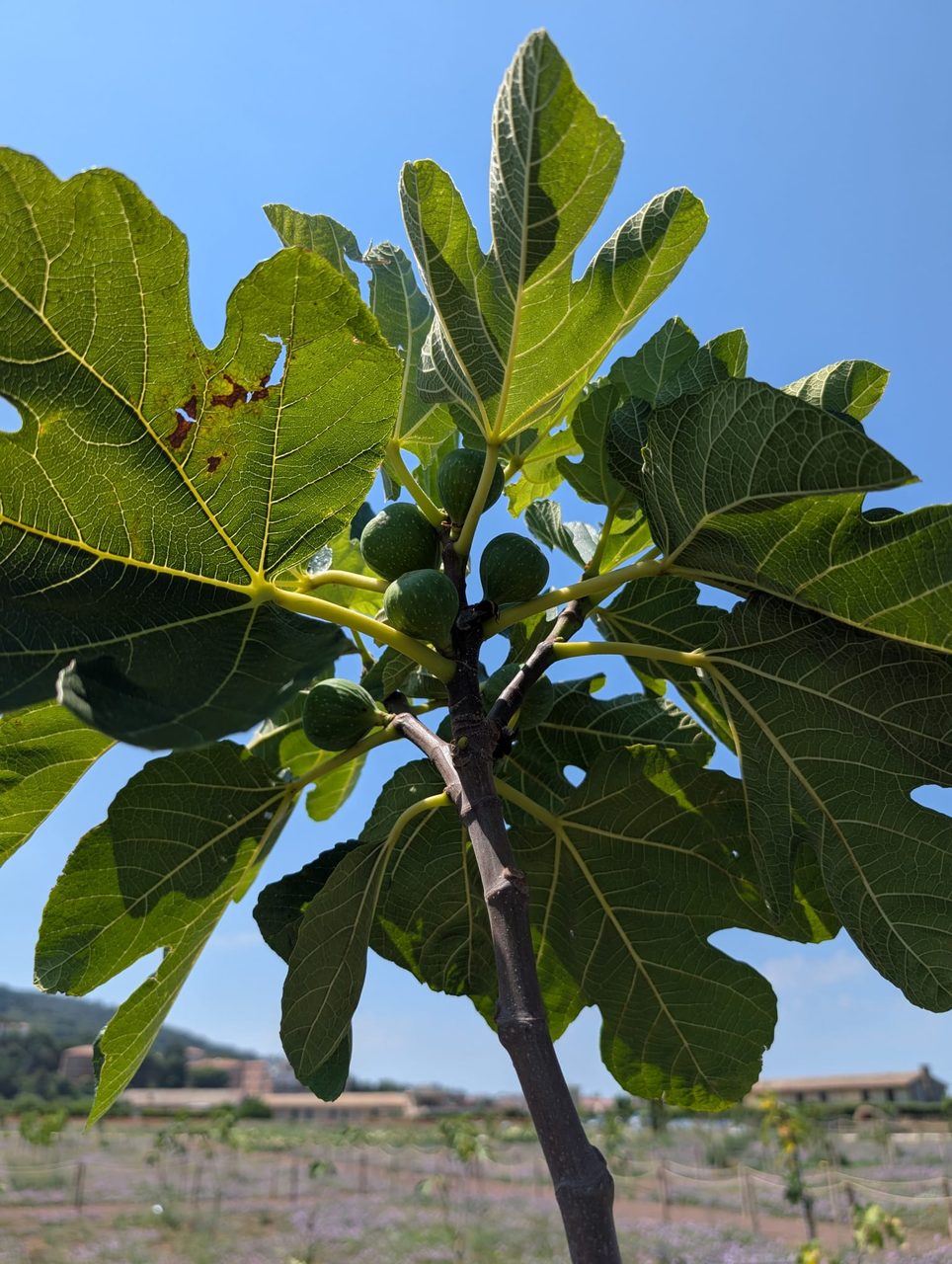
Its origins are traced to Caria, in Asia Minor; evidence of its cultivation is already found in the early farming civilisations of Palestine and Egypt, from where it spread across the Mediterranean. It is a xerophilous and heliophilous plant that loves the sun and resists drought; a long-lived tree that can become centuries old, although its weak wood makes it prone to infection. The short, branchy trunk can reach 10 m in height, while the leaves are large, oblong and rough to the touch.
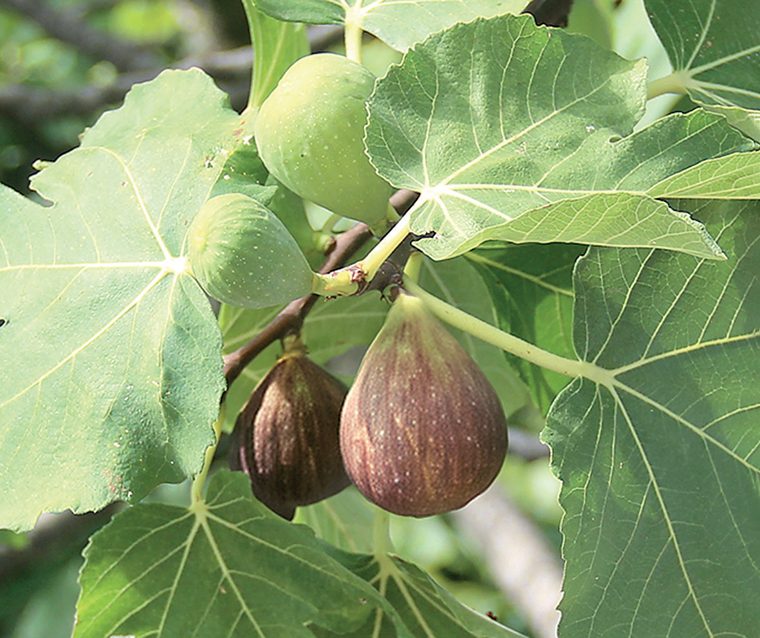
What is regarded as the fruit is actually a fleshy, pear-shaped infructescence, rich in sugars at ripeness, called a syconium, varying in colour from green to reddish to purple, inside which the tiny unisexual flowers are enclosed; a small apical opening allows the entry of small pollinating wasps (the “fig wasp”). The true fruits, which develop inside the infructescence, are the little grains called achenes; the pulp surrounding them is extremely succulent and juicy.
The species is divided into the caprifig (male), which produces only pollen in inedible fruits, and the female plant, which ripens the edible fruits. Between the plant and the pollinating insect there is a symbiosis: the wasp survives only in the caprifig, and the fig cannot produce seeds without it.
In the Pope’s Orchard it is brought back as a historic, now-forgotten species of the Tusculan territory: grown without synthetic chemicals, with shallow roots (within 1.5 m) so as not to interfere with the archaeology below.
Cultivars present
Brogiotto nero · Brogiotto bianco · Fillacciano · Reale · Turca · Panascè · Gentile
Gallery