Ancient fruit
Crataegus germanica (L.) Kuntze · Family: Rosaceae
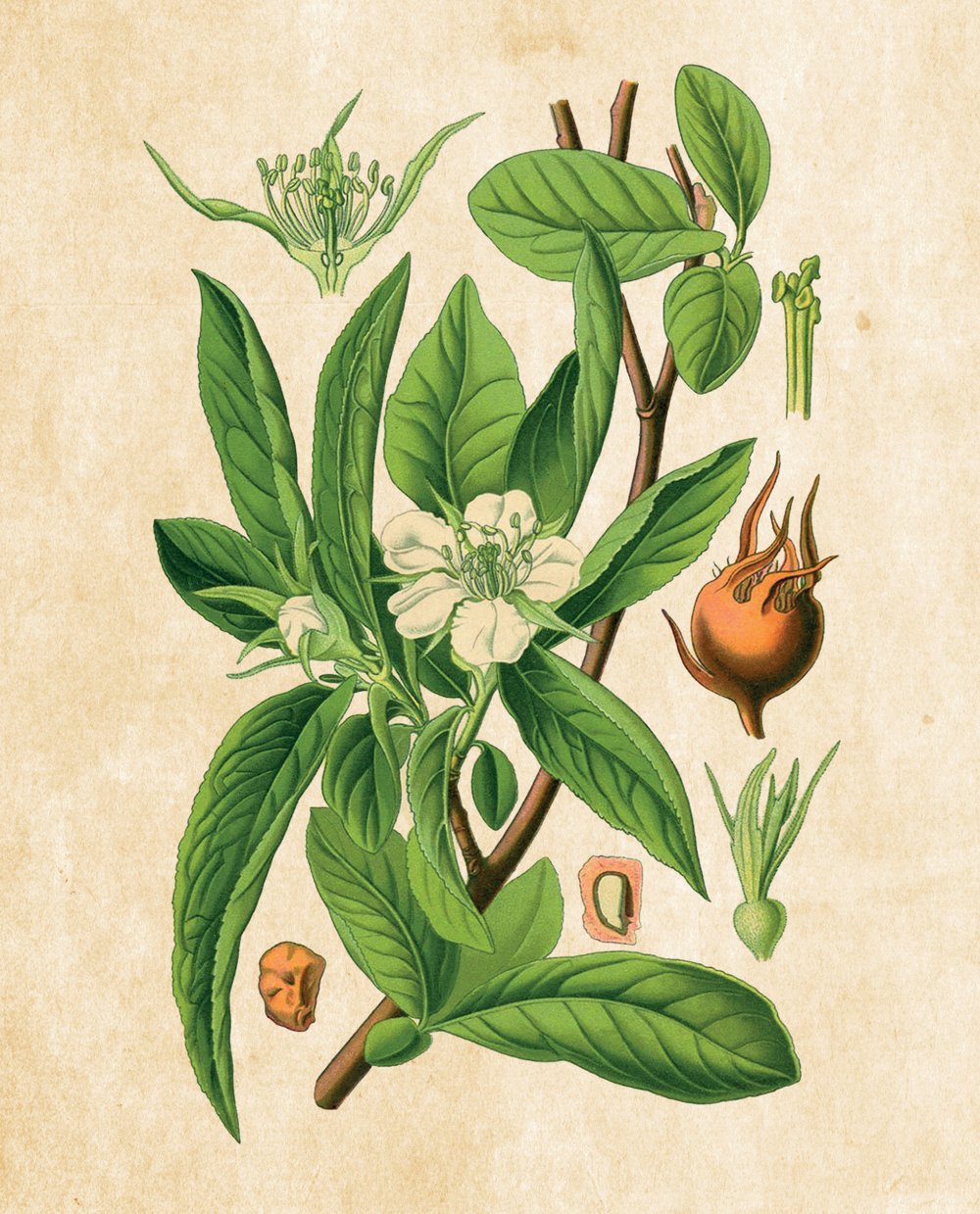
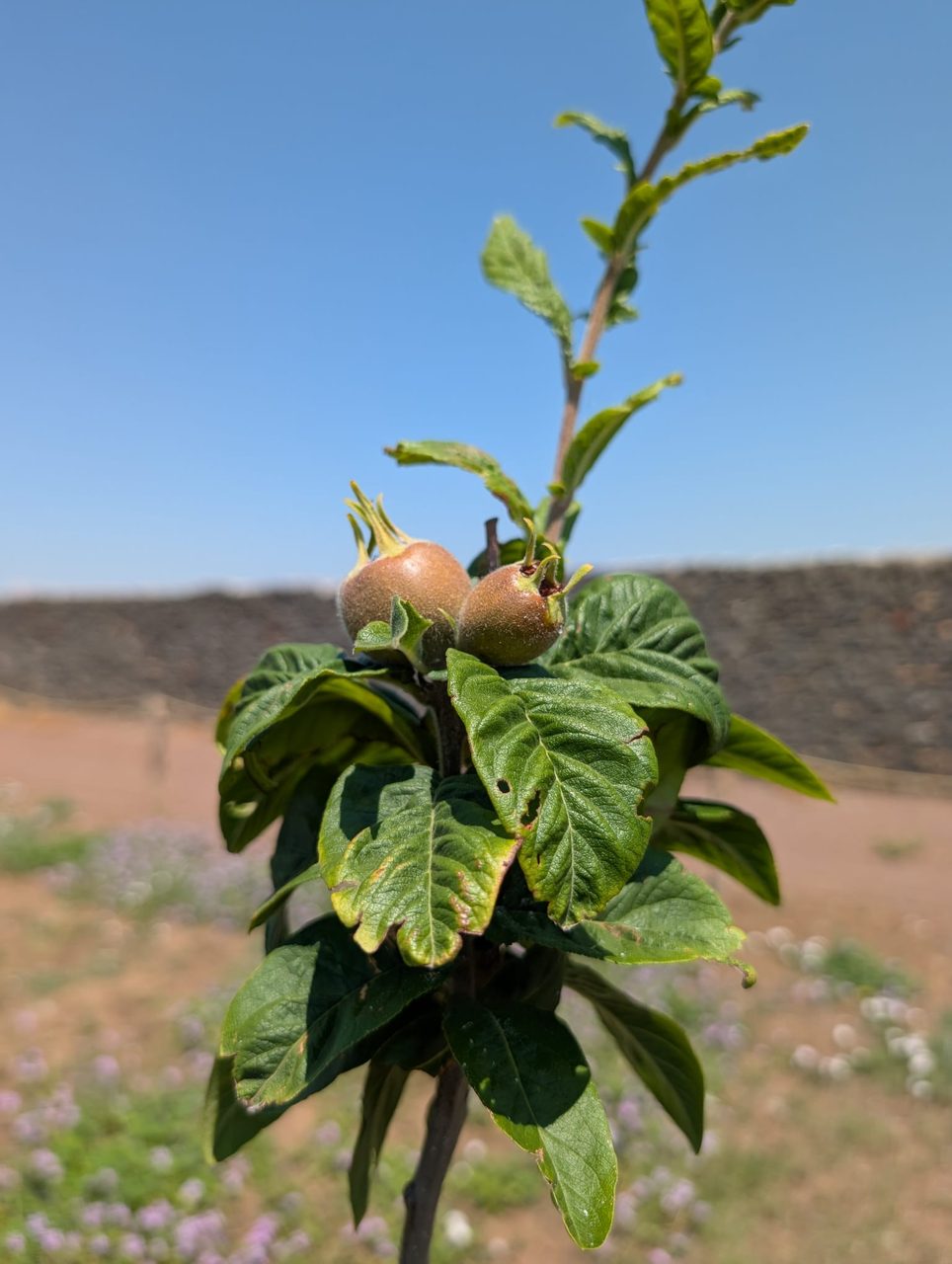
Over the last two centuries, both in Europe and elsewhere, this ancient tree has been progressively replaced by the Japanese loquat. The origins of the genus Mespilus (whose ancient name literally means “half a ball”) lie in Asia Minor, from where it spread to Central Europe, the region that then gave it the definitive Latin name germanica.
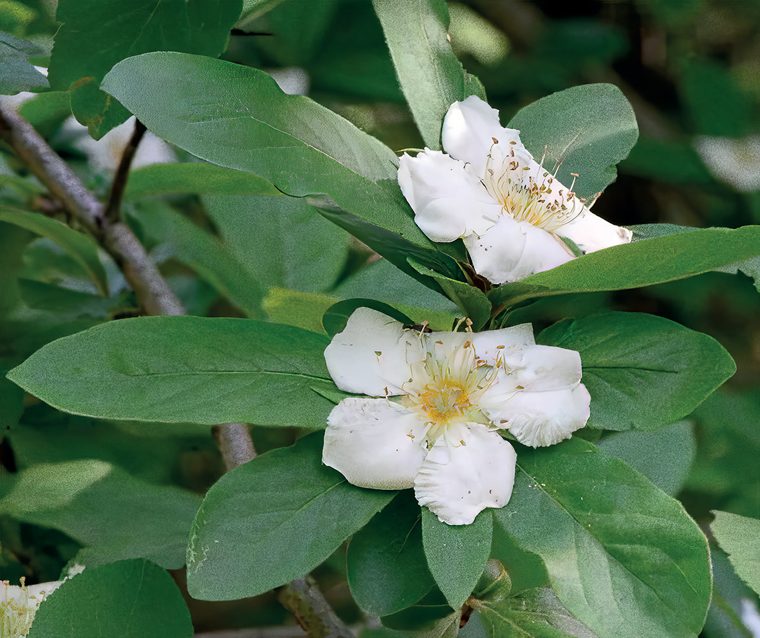
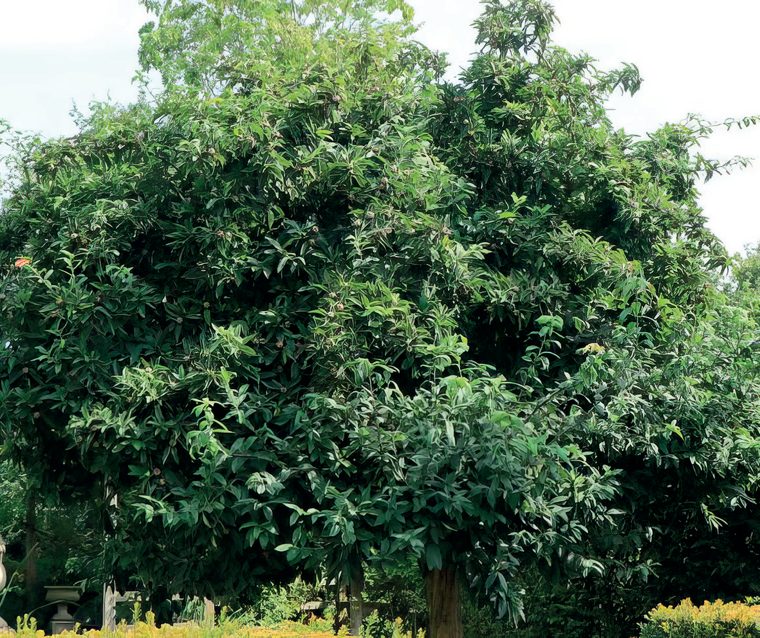
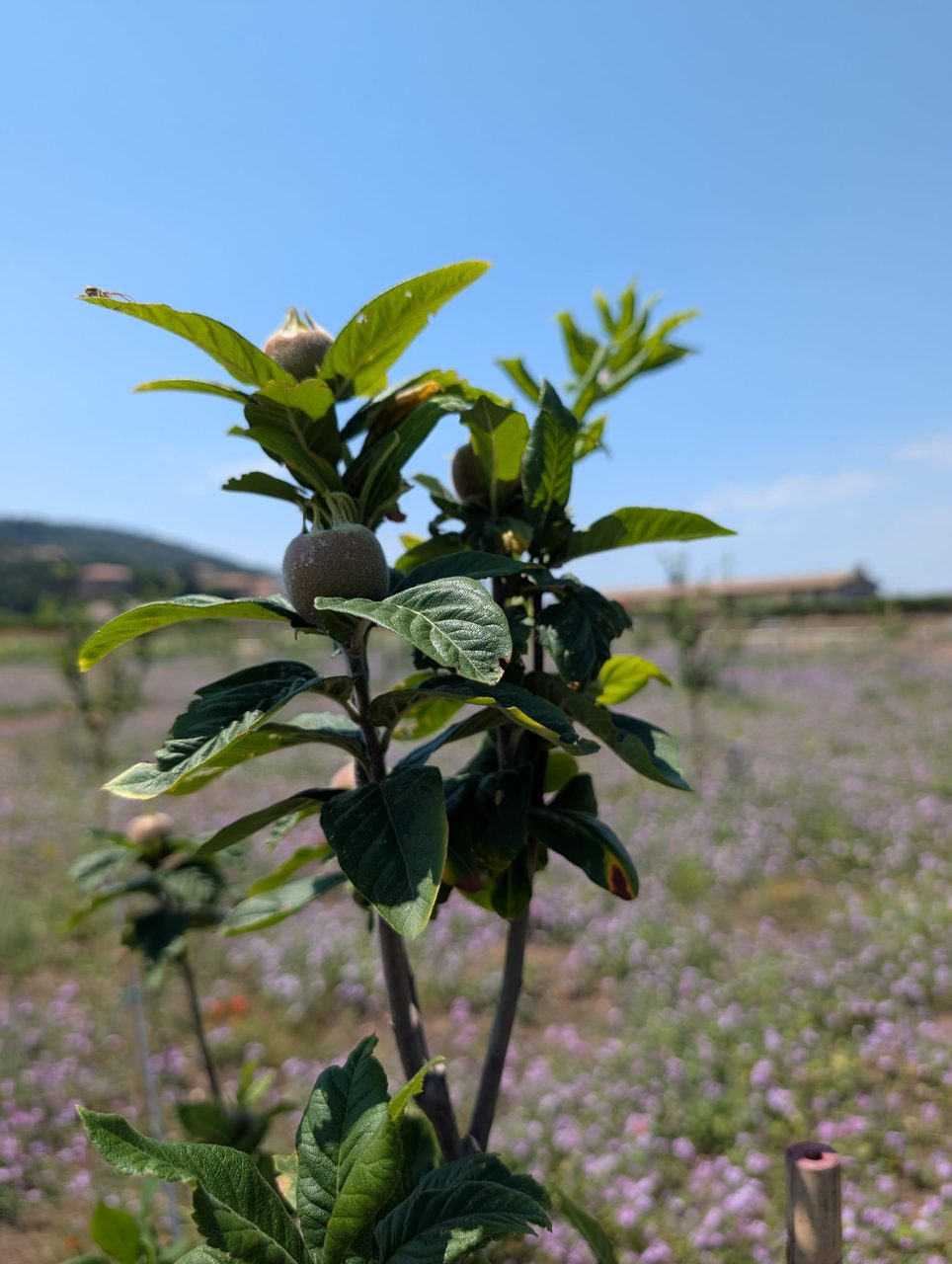
The European medlar is a medium-sized tree reaching at most 4-5 m in height, unlike the Japanese one which can easily reach 10 m. It is a broad-leaved, deciduous plant, very resistant to winter cold and decidedly long-lived, able to become many centuries old despite its rather slow growth. The flowers, of a pure candid white, are simple, with five petals, blooming in May.
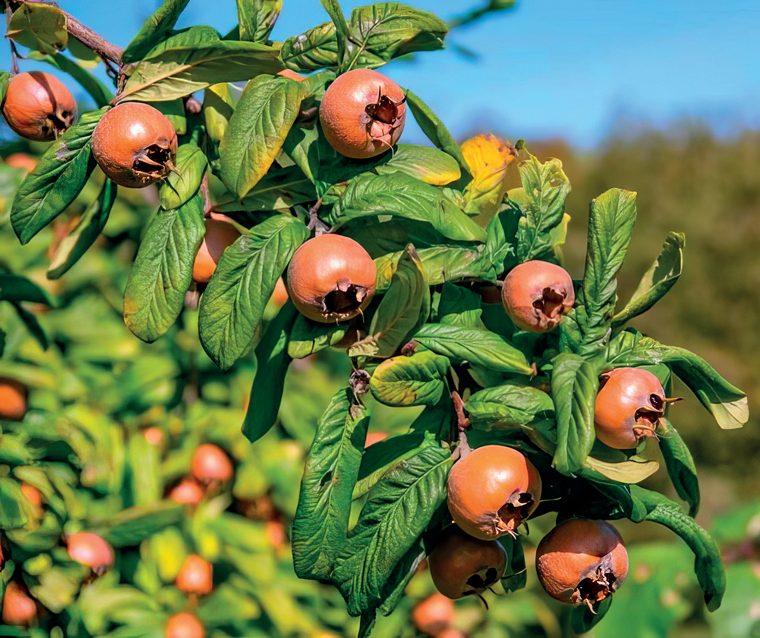
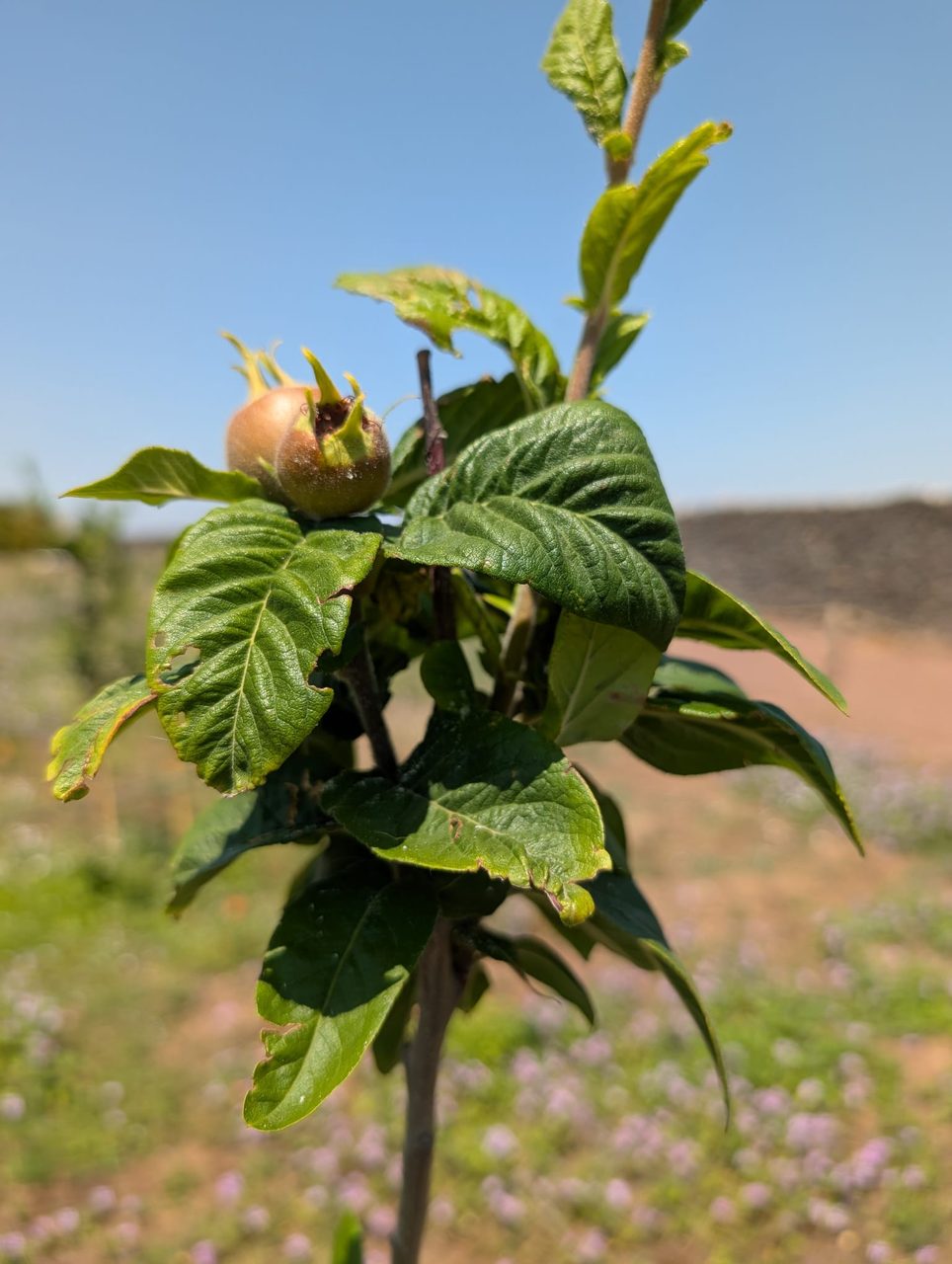
The roundish fruits, called medlars, are harvested in November (the Japanese ones ripen in spring instead) and must rest for a long time under straw through the traditional “bletting” process. This delicate and indispensable biological step is essential to break down completely the strong initial concentration of mouth-puckering tannins, promoting the natural ripening of the sugars that make the flesh incredibly sweet, soft and tasty.
In the Pope’s Orchard it is brought back as a historic, now-forgotten species of the Tusculan territory: grown without synthetic chemicals, with shallow roots (within 1.5 m) so as not to interfere with the archaeology below.
Cultivars present
Nespolo del Giappone · Nespolo comune o di Germania
Gallery