Ancient fruit
Cydonia oblonga Mill. · Family: Rosaceae
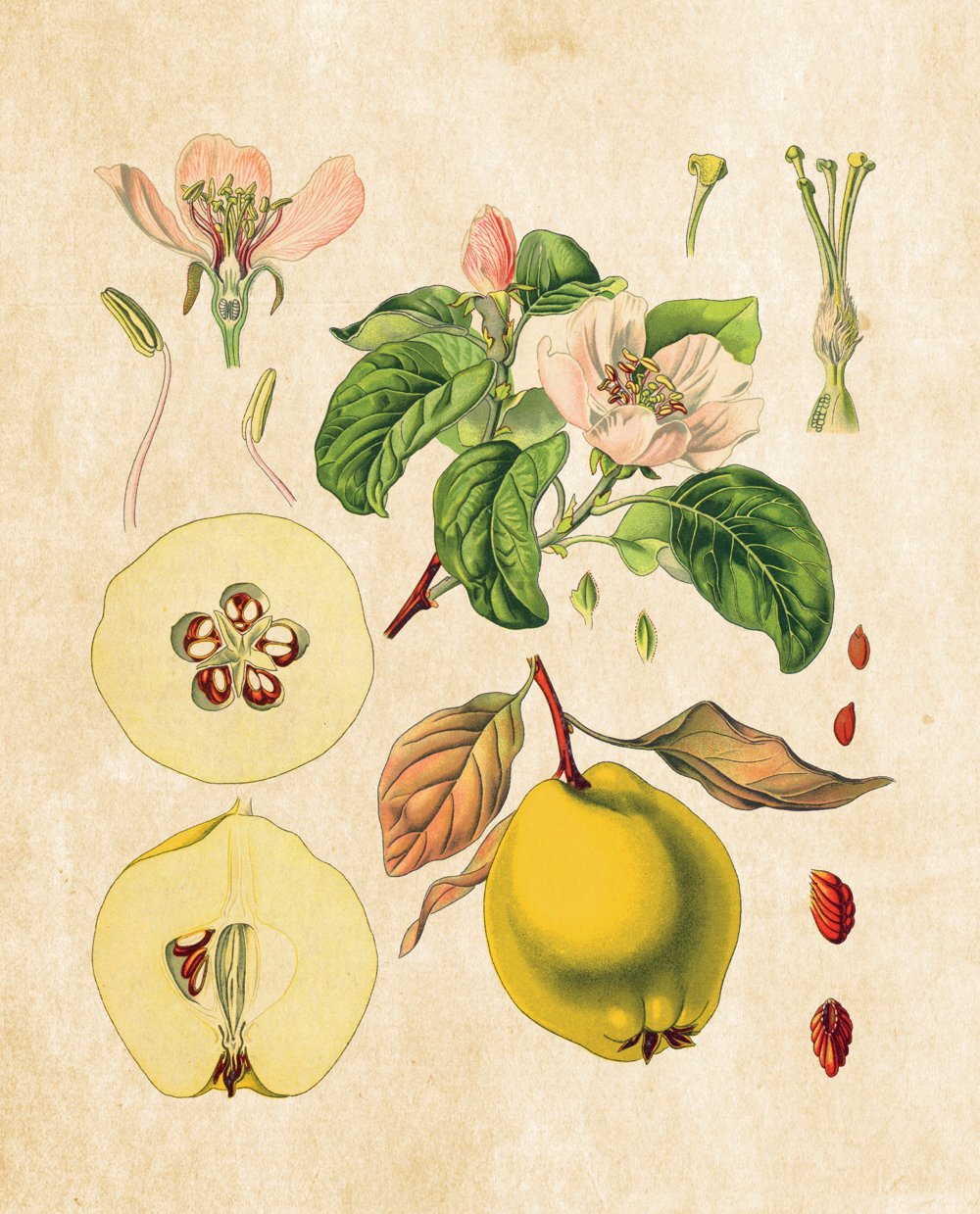
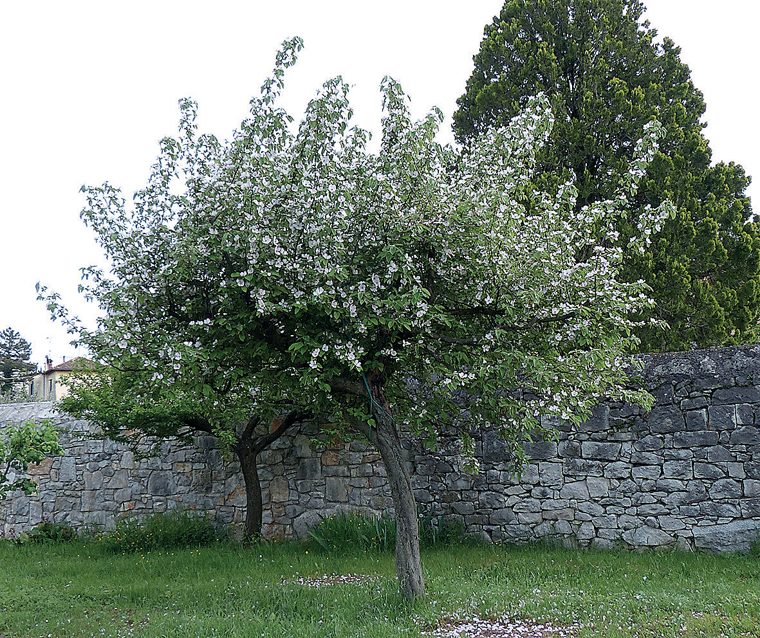
It is the only known species of the genus Cydonia and one of the most ancient fruit trees known: it was already cultivated by the Babylonians and among the Greeks was considered a fruit sacred to Aphrodite. The fruits are called quinces; the apple-shaped varieties are “apple quinces”, the more elongated ones “pear quinces”. It is a small tree or shrub, deciduous and broad-leaved, reaching 5-8 m in height.
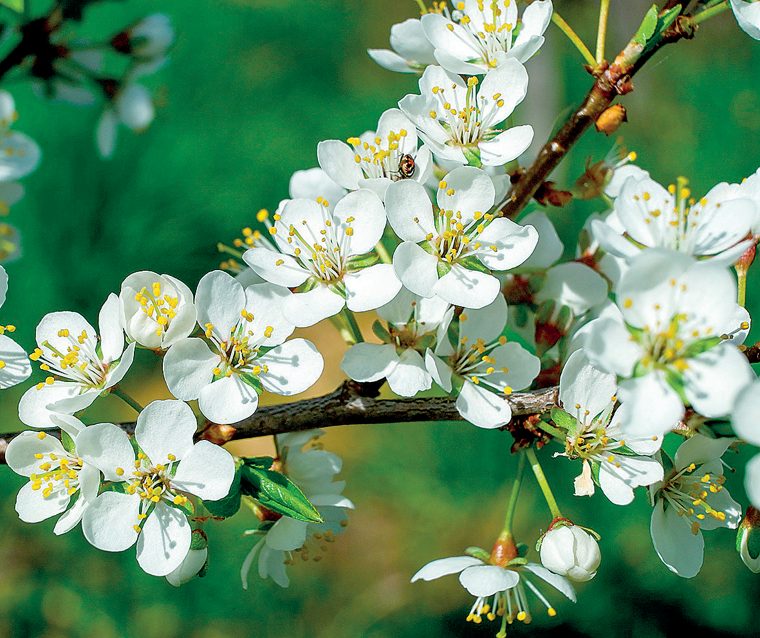
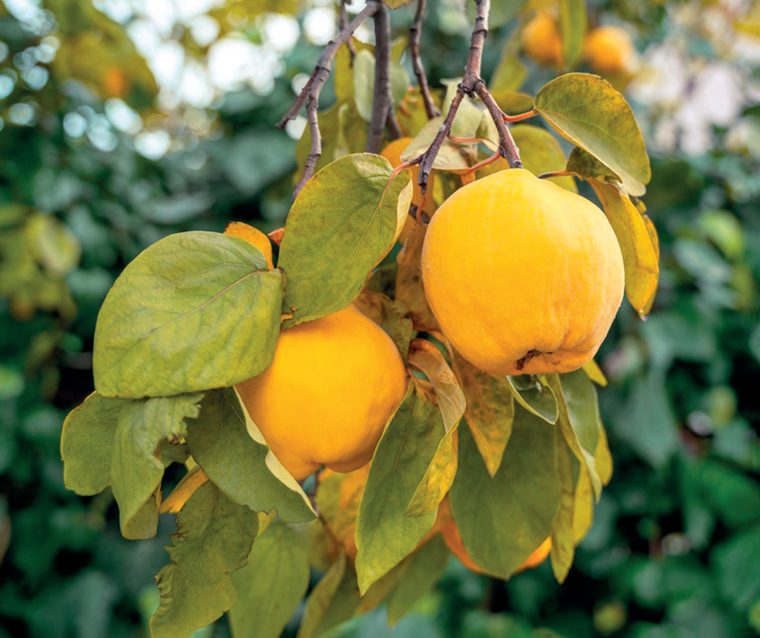
The plant adapts even to poor soils. The leaves are alternate, simple and finely hairy; the flowers are white or pink with five petals, blooming in early May after the leaves appear. The fruits, of an intense golden yellow, are pomes of variable size, asymmetrical, apple- or pear-shaped; the skin is covered with down that disappears at ripening, between September and October. The flesh, which darkens in the air, is barely sweet and astringent.
Native to Asia Minor and the Caucasus, it is widespread in China; in Italy, since the 1960s, production has fallen because the fruit does not interest large commercial chains. The raw fruit is sour and hard, while cooked it becomes pleasant and sweet: it is used for jams, jellies, mostarde and liqueurs and is excellent in syrup. The word “marmalade” comes from the Portuguese “marmelo”, the Lusitanian name for the quince.
In the Pope’s Orchard it is brought back as a historic, now-forgotten species of the Tusculan territory: grown without synthetic chemicals, with shallow roots (within 1.5 m) so as not to interfere with the archaeology below.
Cultivars present
Melocotogno · Champion · Perocotogno · Vranja
Gallery